Friday, September 10, 2021
Into the Mystic to Lord of the Squirrels
Lake O'Hara Alpine Circuit from the road
The Lake O'Hara Alpine circuit could be one of the best hikes in the Canadian Rockies travelling through some beautiful terrain and following the trail mastery of Lawrence Grassi. I have never been one to bother with lotteries, or the concert ticket buying experience requiring multiple computers, phones, and a twitchy trigger finger to nail the 8:00am reservation start time to book a campsite or bus spot. The hike itself is around 12.5km with ~1000m of elevation gain from the lake, though the rough terrain of the route: boulders, steeps will slow you down. Easy access to Lake O'Hara is regulated by a quota system: limited campground and bus spots are available and cycling the 11km access road is prohibited.
In 2020, the bus was closed due to the pandemic. While people could still hike to the campground, this meant that the area would be much quieter, although due to the previously mentioned quota, it is never very busy. As I had been increasing my run mileage, the Alpine Circuit was now an achievable goal for me. Access from the road requires a total distance of ~35km and 1500m elevation gain. I had been battling some injuries from downhill running in the past so I was nervous about whether I would survive the 11km exit uninjured. I was able to run this route in 2020, and it was so amazing that we did it again in 2021, and I added in a side trip to MacArthur Lake.
The 11km up the road was taken at an easy pace and didn't feel too draining.
As my favourite type of running is vertical K's, I took the opportunity to throw in a hard effort up the first climb to Wiwaxy Gap, a gain of ~550m in under 2km. Rising above the trees, it was hard not to turn around and see the blue lake below. The top of the gap came quickly and I had time to finally soak in the views. Looking across to Lake O'Hara and Lake Oesa, the rest of the route was visible. It snaked along ledges, sneaking its way through weaknesses up and down to avoid dead ends to beautiful meadows and lakes. In fact looking across at various points in the day made the exposure appear to be much worse than it actually was.
Once Jenny hit the gap, we traversed the Huber Ledges to Lake Oesa, at a much easier pace for me, with the rest of the day ahead looming big. Lake Oesa was a nice stop for a snack break although the horseflies were out.
From Lake Oesa to the Opabin plateau through the Yukness ledges was possibly the slowest section of the day, mostly because it required lots of going up and down over small boulders before hitting the dirt trail right at the Opabin plateau.
I decided to burn off what was left of my climbing legs on the traversing scree trail heading up to All Souls Prospect. Once topping off on the shoulder of the mountain the trail dropped straight ahead and steeply down the other side on a dirt trail with rocks embedded to keep you on your toes (or on your heels).
The second time I did the Alpine Circuit, I added in a detour to MacArthur lake. The trail climbed and traversed in a similar style as the rest of the Alpine Circuit, breaking through a cliff band before heading down to the lake.
Now the slog out begins. In 2021, we had the option of taking the bus, but being "only" 27km into my day, and with bigger routes on the horizon, I wanted to test myself by continuing on with the exit.
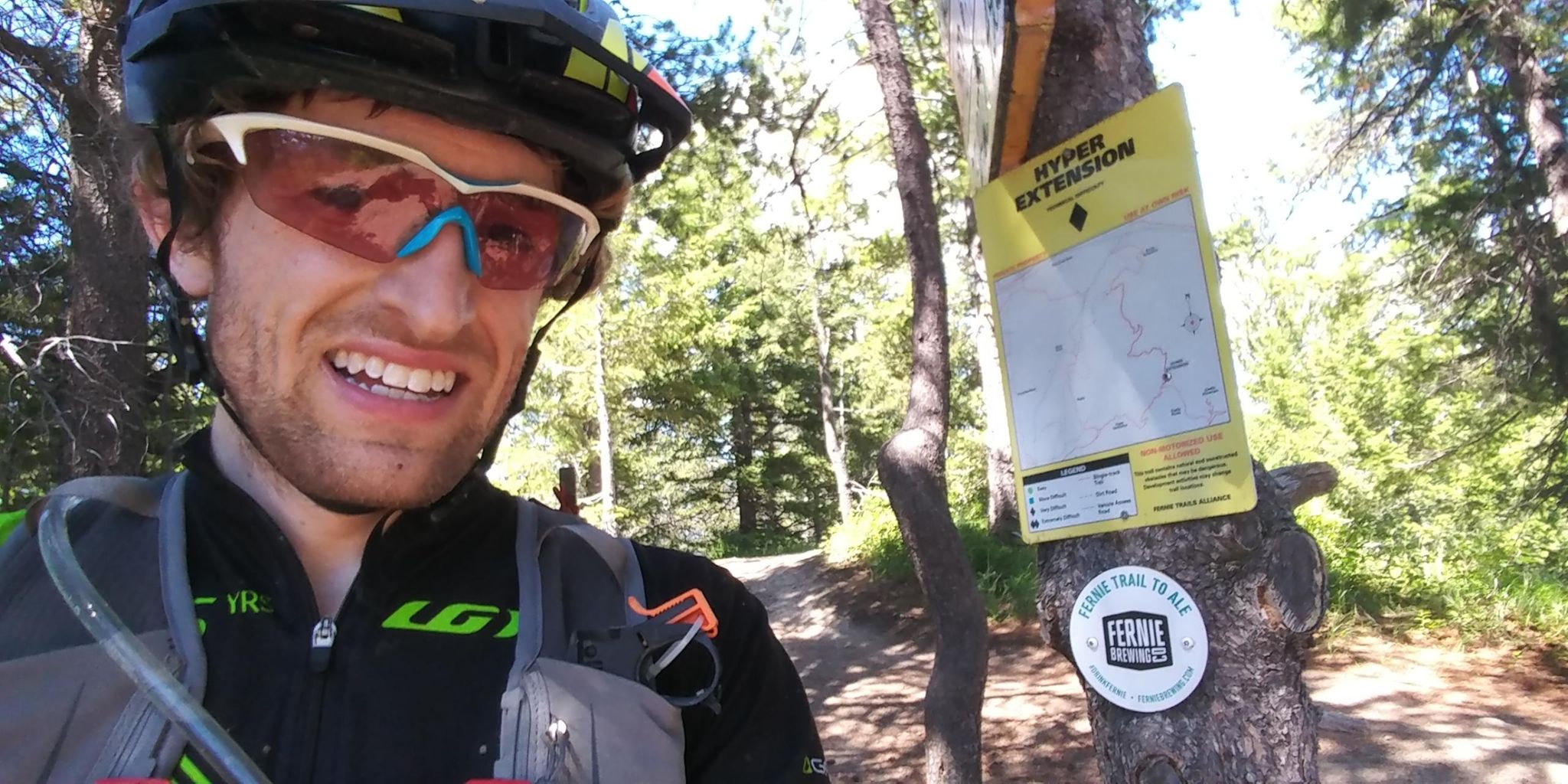
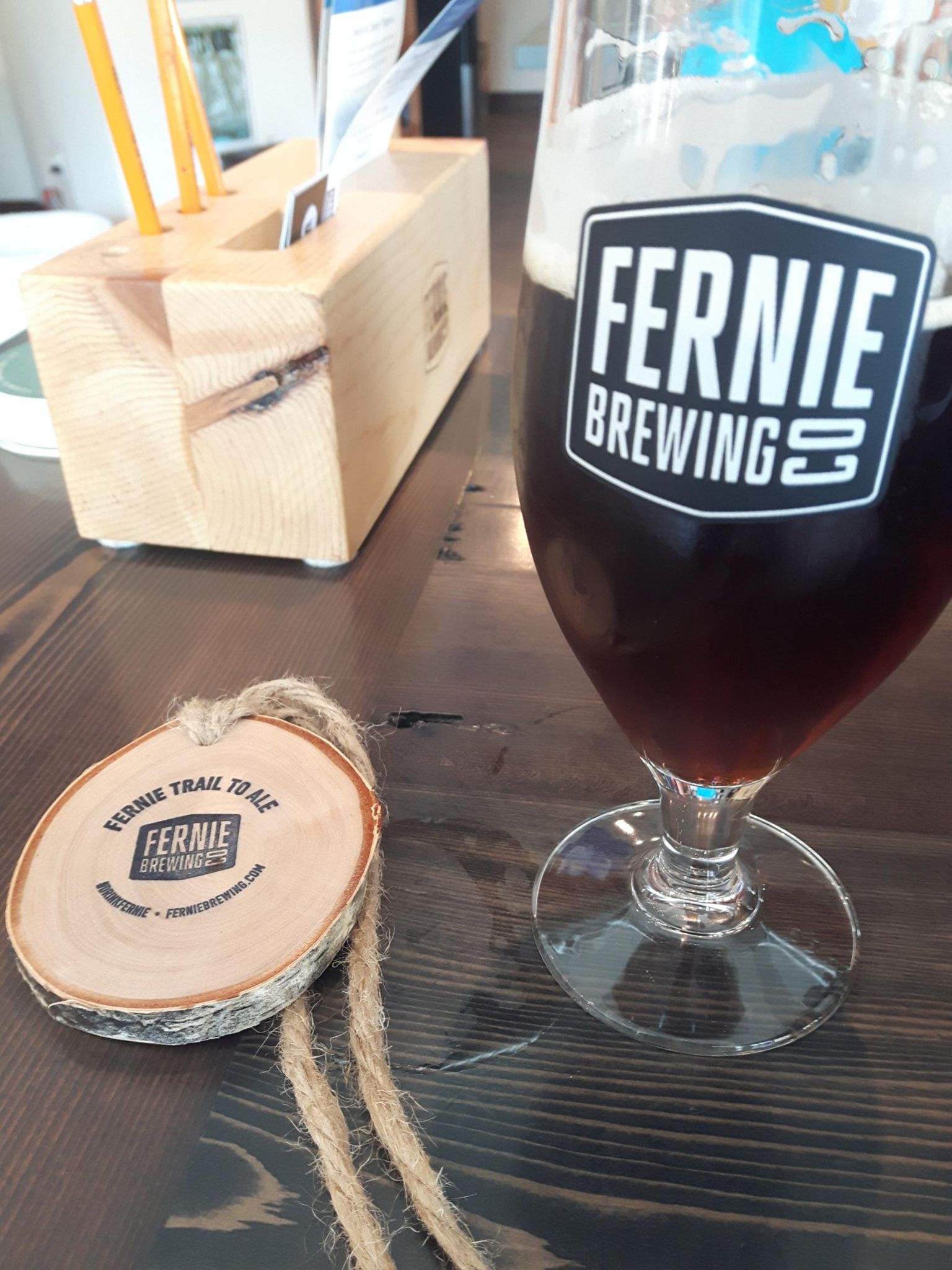
Fernie Trail to Ale
Wednesday, August 11, 2021
A bike that doesn't suck: Commuter-Bikepacking-Light MTB
Wednesday, July 21, 2021
The Tortoise and the Hare is the worst children's story
The children's tale of an overconfident hare racing against a humble tortoise is a staple of growing up. I'm sure there are multiple good lessons resulting from the story of the tortoise passing the napping hare for the win, but what stuck around for me was the saying that "slow and steady wins the race". Ultimately a good pacing strategy is a key to winning a race, but it is not a training strategy that will put you in a position to win the "race" in the first place. This mentality has been engrained in North American recreational endurance sport: so much so that people see it as more prestigious to seek out longer and longer distances that require one to go even slower and even steadier. Faster runners and faster cyclists are recognized as being able to hold a steady pace that is just less slow than everyone else. The idea of "steady" leads people afraid to feel even the slightest burn on hills even though they know the downhills wont require much exertion.
The problem is, the body doesn't really get stronger in response to "steady". It gets stronger in response to being stressed by a hard effort followed by some time to repair. In weightlifting, this idea has reached the mainstream. Nobody goes to the gym and carries around a 30lb weight for the entire hour they are there. No, they lift up heavier weights, put them down, lift them up again, take a break, and repeat with other motions. If they come back the next day, they'll lift with motions requiring other muscles, giving the tired muscles from the day before a break. The loading, unloading, and resting of muscles is anything but steady. Getting stronger requires getting uncomfortable.
People make a lot of sacrifices to be able to spend time outside. Maybe you don't have any racing or ambitions to push to the limit, but perhaps there is an upcoming cycling or running vacation where you plan on tackling a challenging route. You can spend some time now on your "training" activities exploring the fringes of your comfort zone on your own terms, throwing caution to the wind with regards to pacing rather than be forced into the deep end by the terrain too early into an activity while you are supposed to be on vacation. Whether you are racing or not, the steep climb to get up to the funner trails up high (as opposed to the more basic trails along the valley bottom) or the final climb to complete the loop and bring you back to where a nice meal is waiting for you will require you to dig deep, finding a "race pace"
Tuesday, July 20, 2021
Ski Mountaineering in the Olympics
Monday, July 12, 2021
Where you are now
Last year, in the early stages of the pandemic when people were taking to the outdoors and clogged the trails in the river valley, I was riding home along a particularly busy stretch of paved trail and I saw a speed inline skater frustrated at having to slalom around groups of headphoned pedestrians. I would certainly question his choice of busy trail: he could have gone out to the suburbs and experienced relative solitude near the homes that these very headphoned pedestrians had abandoned to come of the river valley that evening. But I was grateful that when I was young, I took up cycling and skiing (and eventually hiking and running), relatively simple activities that do not always require flat pavement right next to the river on one of the most popular trails in the city. Activities I can do right from the front door on a variety of routes. It reminded me of a Pepsi commercial where a young Jimi Hendrix is decides to purchase a Pepsi from a vending machine in front of a guitar store rather than a Coke from a machine outside of an accordion store.