Showing posts with label racing. Show all posts

Thursday, November 14, 2019

Used Ski Mountaineering Race gear, buyer beware

I've talked before about how I don't believe ski mountaineering race gear is durable enough for daily driver use. Some breakage will of course be covered under warranty. But what if you are buying used, with no warranty support, and unknown abuse? While pretty much every brand and model of race gear has been broken, I've listed some notorious models below, that I believe that even if lightly used should be avoided on the used market. A good deal that breaks with limited use isn't a good deal.

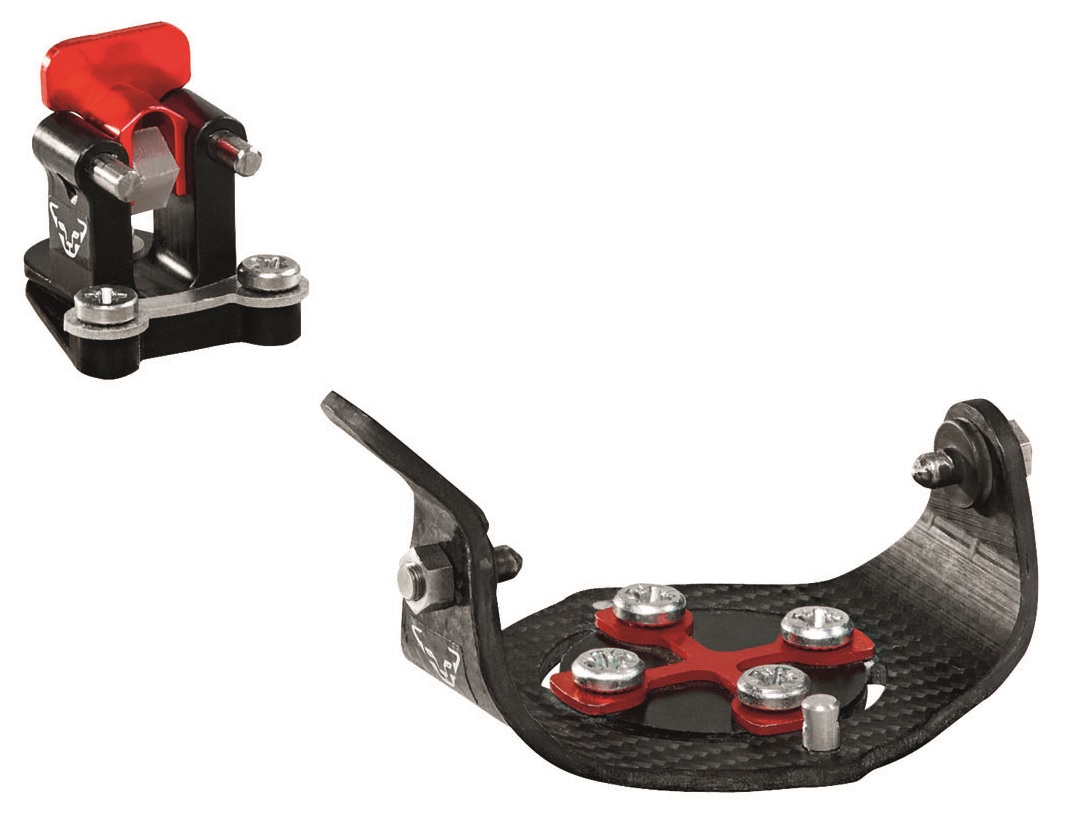
First generation Dynafit Low Tech, Speed Superlight toepieces:

Normal Dynafit toe-pieces are fairly bombproof. The Low tech version swapped a steel base plate and toe wings for aluminum. Unfortunately too much material around the mounting holes was machined away and the toepieces often broke around the holes.

If you are buying used, look for later versions of the toepiece, with more material around the mounting holes. These are usually dark green, 1 yellow/1 blue, 1 red/1 green, or yellow (Fischer version).

Dynafit Low Tech Race (2.0) Heelpiece:
The plastic body of this heelpiece is notorious for breaking and is to be avoided. Look for the older 3 hole, all metal Dynafit/Fischer heelpieces or a different brand of binding instead.

Dynafit RC1/Pierre Gignoux Pack Ultimate Binding.
Containing both the previously mentioned heelpiece as well as a carbon toepiece that would also commonly explode, it seems that this binding was not designed with heavier North Americans in mind. Buy any other binding unless using these for verticals.

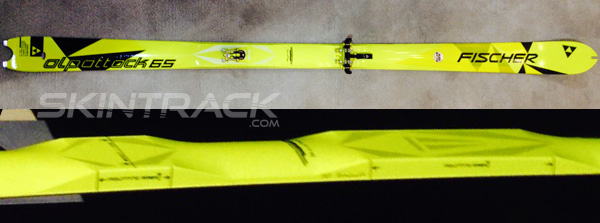
Fischer Alp Attack:
All race skis break. I don't have any data to back it up but it seems that these skis with a radically designed cross section and minimal sidewalls break more than normal.

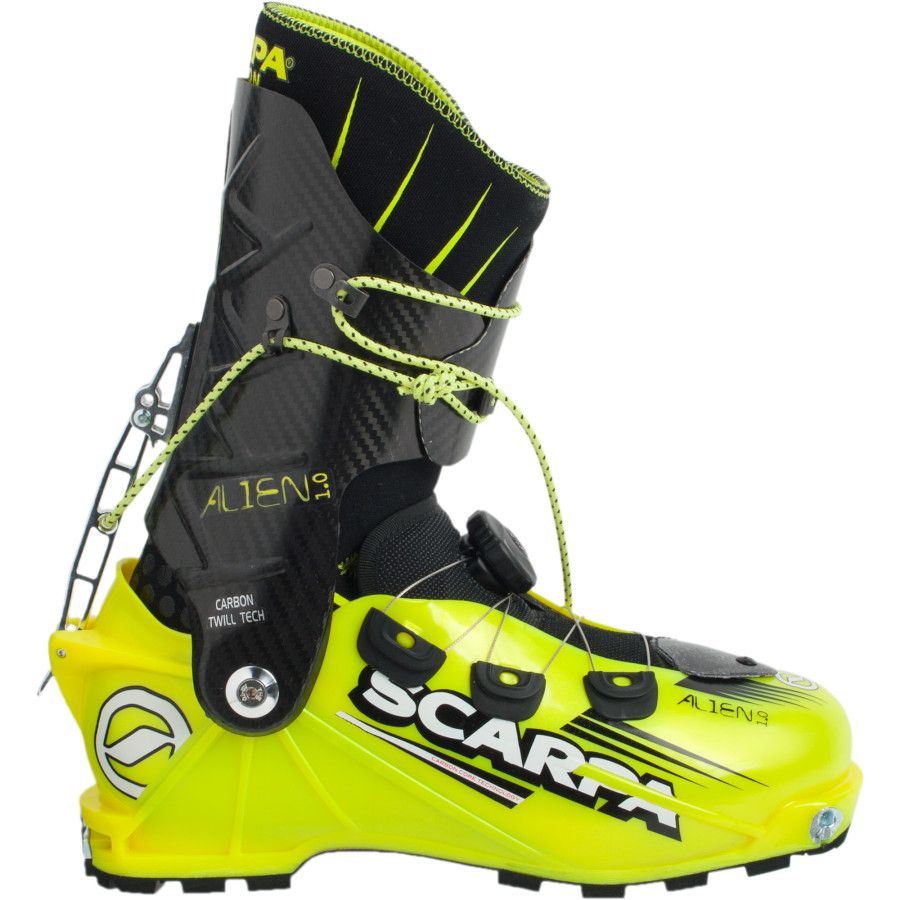
First Generation Scarpa Alien:

Here, I am only referring to the very early versions of the boot with a wrap liner instead of the later sock liner. The skeleton-like rear levers were weak. Later versions of the boot with the sock liner had stronger levers. Make sure whoever owned the boot before you had the levers upgraded to the stronger ones!

Any other race gear to be avoided?

Monday, April 29, 2019

Training for the Uphill Athlete - Review

Just last summer, a long time ski buddy, someone who seems to make a point of doing mountain activities for their enjoyment rather than fame and bravado started acting funny. Max heart rate tests, climbing hills with weight in his backpack, breathing through his nose. Something must be up.

Turns out he had been reading "Training for the New Alpinism", a training manual for climbing written by Steve House and Scott Johnson. I took a flip through the book, read off a couple of key phrases and his girlfriend goes "that's the book you've been reading, that's why you've been talking funny lately! I need to hide that book from you!"

Steve and Scott noticed that a lot of mountain runners and skiers were reading the book and they should write something more targeted to them so they brought in Kilian Jornet and wrote "Training for the Uphill Athlete". As someone wanting to eke out more speed in ski mountaineering racing, I bought the book. Anyways here is my review.

A bit of a background for those that don't know me. While normally a quiet person, I'm a bit of a shit disturber on the internet. But I'm also a decent ski mountaineering racer. With a mountain biking background, I was able to get up to a level where I was barely hanging on to a spot on the Canadian national team (not nearly as competitive as the US team). I spent a winter in Canmore, skied a bunch (ski touring, downhill, cross country) and got pretty fast, well 42nd at World Championships, less than 10min behind the fastest North American. Then I moved back to Edmonton where real life sunk in and I went back down to the plateau I was at before. After an injury, I came back with extra motivation, did intervals using what I had to work with in Edmonton (indoor bike, short hills, XC skis) and have climbed past the level that I achieved while living in Canmore. While I wish I could work on my weakness of downhill skiing, I have achieved some decent results in the vertical races at World Championships. Getting fast while living in the prairies has required some creativity on my part.

Now back to the book. It's a 300 page book. It's opinionated It's full of stuff that probably worked for Mike Foote, Luke Nelson, and Erik Bjornsen. It has an excellent muscular endurance circuit progression. It keeps it simple by suggesting just a couple of workouts to cover the range of durations. It has a bunch of sample seasonal training progressions and sample weeks which I will find very useful. Then there are a couple of sentences that if you are actually thinking while your are reading, your jaw will hit the floor. 

The first inconvenient truth: the book states that ALL aerobic training should be weight bearing, aka no bike riding. I know it's April, but I'm watching John Gaston, aka the fastest North American male ski mountaineering racer EVER crushing bike rides. A bunch of the European skimo racers I follow on Instagram regularly post pictures of bike rides: Damiano Lenzi, Laetitia Roux, Anton Palzer, Remi Bonnet, etc.. These men (and woman) are all faster than anyone ever coached by the Steve and Scott duo. I have certainly benefited from adding more weight bearing activities to my training, but I'm not sure I would ever completely eliminate biking. Biking is a good way for some to fit in volume and intensity and it is unfair for the reader to walk away thinking that they are verboten for successful skimo athletes. I am coming off of a winter that was plagued with IT band issues where I had to do a lot of my workouts on the indoor trainer.

Maybe the goal was not to overwhelm the reader, but the list of suggested workouts was quite limited. Not everyone lives in the mountains, not everyone has access to an office tower or an incline treadmill for longer intervals but maybe some sort of hill longer than the suggested 15 second hill sprint. I, personally have found some success fully utilizing whatever terrain I have available to me. Maybe they don't have experience with a wider variety of workouts, but a larger supply of workouts would allow the reader to pick a handful that work with the terrain that they have.

There is nothing on how to improve downhill skiing and running aside from improving muscular endurance. There is definitely a way to maximize the benefits of a downhill ski day, which terrain to target, how to ski it, or even suggested drills in order to get faster. Maybe someone else will write about this.

Lastly, the book completely ignores the sprint discipline. This is a fairly new discipline, and a good spot for North American athletes to find success, in fact they already have with podiums at World Championships and World Cup victories (Nina Silitch, Quinn Simmons, Melanie Bernier). Maybe someone else will write about this.

So overall, not a bad book, I just don't see it on the same level of completeness as Joe Friel's Training Bibles which has more sample workouts, and suggestions for races over a wider range of intensities. "Training for the Uphill Athlete" contains a couple of excellent tools to add to my toolbox in addition to stuff that I have found that works for me. I am motivated to add more weight bearing activity to my training and flip through again when it comes time to lay out my season. 

Wednesday, March 28, 2018

Ken Jones Classic - Pan American Championships

With World Championships happening every 2 years, there has been a push to get a continental championships going on the other years. The idea is that the venue will alternate between Canada and USA. This year, it was Canada's turn (Crested Butte in 2012, Wasatch in 2016, etc..).

The three day event took place at Lake Louise with a vertical race on Friday, a sprint on Saturday, and an individual race on Sunday. Going in, I wanted to focus on the vertical and have a good result in the individual, and I wasn't too concerned with how the sprint would play out which would be beyond my control. So I skipped the sprint.

The vertical race took place on the final climb of the Ken Jones classic individual course. Up Larch, through Rock Garden to Elevator shaft. This is a climb that I have suffered up many times with fatigued legs at the end of the races, battling with 1-3 other skiers. This time, we'd be taking it on with fresh legs and starting with the entire field!

After a comfortable start, it started to feel a little too comfortable...so I attacked. By the time I was caught, just as we reached the flatter section, there were just 4 of us in a front group, but my legs were hurting! The course finished with a single skintrack section so while I entered the pain cave early on, I didn't have to worry about passing, just about hanging on. Barely. In the end I finished 4th. I had a strong race but was regretting not pacing better.

Sunday's individual race started early and cold with not much time for a warmup. The race would be long with the ER5 bootpack added in (as it was in 2016), in addition to the rest of the normal course! I let others dictate the pace and pretty much dangled in 4th place the entire race, seeing Rory in 3rd at skins-on transitions. With a strong bootpack, I had increased my grip on 4th place, but definitely was looking forward to the top of the final climb (the same climb as Friday's vertical race). 

The large field. Not only did a bunch of Americans come out, but it seems like there are more local guys donning skinsuits every year!

Grabbed a shotski from the bar to bring up onto the podium
The legs are happy the season is over but I'm feeling pumped for next year after keeping it together during the busy March schedule.

Tuesday, March 27, 2018

Marmot's Revenge. Racing and course design

The idea of hosting a race at Marmot Basin has been tossed around before, but Alex Stieda was the first to go through with that idea. The namesake "basin" on the mountain provides a great amphitheater of terrain that is perfect for a ski mountaineering race. The mountain is a bit of a hidden gem, but it has the terrain and skis pretty good for the snowfall it gets. Unfortunately, I hadn't actually skied the terrain since 2005, as when I checked out the mountain on the 2017 closing weekend, the upper mountain was closed due to rain and warm temperatures causing avalanches to ground!

Course setting morning, I was relying heavily on the local knowledge of volunteers and staff who were seeing "skimo" for the first time. While things seemed a little hectic in the morning, by the end of the day, we had skintracks that had been bedded in again, and big GS gates on some of the descents. Big kudos to the volunteers for picking things up quickly and making it happen!

"Is the race going up the Cornice? That's pretty steep!"

Race day went pretty well. I took the lead off the start as I usually do, and because I wanted to make sure everyone went the right way as it was not a straightforward cat track. The group was pretty well strung out heading into the technical skinning section and the steep section directly up the ridge to the top.


Then came the descents, into whiteout, which would be the theme for the day. Rocks were hit if you veered too far from the cornice at the top of Tres Hombres. Fortunately the red pin flags provided the definition to get us down. I'm sure even the skiing public appreciated them unless they were content to stick below treeline.

Eric and Nick took off from me for the rest of the day, likely breaking trail on the old skintrack that had been skied over, putting in a huge chunk of time into me on the last climbs. The peak bootpack seemed to go on forever. The elite course did some extra climbs than the recreational course and it was nice to swap encouragement with the skiers as we passed by. In the end I finished 3rd, what I expected, but I couldn't match the pace on the last 2 climbs.


If I were asked to redesign the course for a future event, I would look to changing up the course. 3 descents down the busy Basin Run down to the mid mountain chalet is a little dangerous with all of the people there! The course was a little long and I didn't get to fit Eagle East or Caribou Knoll into the course. I appreciated the technical skinning, but the 1st climb was steep, and we had to repeat it again. So here's what I'm thinking:

1. start at Chalet and climb Eagle ridge
2. descend eagle east to transition at Slash
3. Climb Slash, and Eagle ridge to top of Cornice
4. descend cornice to transition at Knob (avoid going down the busy Basin Run!)
5. Climb to peak (same climb as this year)
6. Descend peak, transition on upper traverse of basin run.
7. Short climb to top of Tres Hombres
8. Descend Tres Hombres to just above traverse
9. Climb up to lower gate of Tres Hombres to top of Caribou Knoll
10. Descend Caribou Knoll.
11. Climb up to lower gate of Tres Hombres
12. Descend Showoff Cattrack to finish!

If that seems long, maybe eliminate 2 and 3.

Thursday, March 8, 2018

Panorama Steep Dreams

With a week filled with lots of skiing (backcountry, cross country, and ski hill!) it was hard to remember to leave something in the tank for the Steep Dreams races at Panorama. A vertical race on Saturday followed by the individual race on Sunday.


The vertical (equivalent to a hill climb bike race) is probably my strongest discipline, but with some very fast biathletes crossing over I was a little nervous, as there aren't really any special skills required for the vertical. But I put the nervousness behind and set a brisk pace to the top of the first pitch of the vertical that only Nick could match. Joel from Montana closed the gap as Nick broke some trail which deposited us at the bottom of a very steep groomed section. Nick took off straight up the hill while I took a traversing line and had something left at the end to out-sprint Joel for 2nd.
Vertical Start

Individual race start!

The individual race the next day had a novel format with skiers repeating the same climb 3 times going to a different descent each time before finishing with a different climb. This worked great as from my experience helping set the climb after the vertical race, it was a lot of work to put in just one track. While the track was generally at an appropriate gradient, lots of switchbacks and some short steep sections rewarded good skinning technique and penalizing others with wasted energy and skin failure.. Further magnified as the climb was repeated 3 times!

The short, flat/rolling 1st climb followed by a descent presented an interesting scene as the first 2 transitions were more crowded than usual.

The technical skinning was no problem for me, but unfortunately, I lost sight of Nick after the first descent. Let's just say the timed downhill results from this race quantify how much work I have to do! But I held on for 2nd place.

Unfortunately I will miss the Squamish race (which has an astonishing 82 entries as I write this!), but will course set at Marmot and aiming for a good result at the NA championships at Lake Louise at the end of March.

Roam Randonee at the Coldsmoke Festival

This year's edition featured a different course than when I last did this race two years ago with 3 big climbs, the classic "skins-on descent" and a flattish skin out to the descent of West Ymir run. In the grand scheme of the Canadian race series, the race kicks off a stretch of 5 straight weekends of racing!


I did my usual thing and took to the front off the start and with only minor trailbreaking in a couple of cm's of new snow, me and Eric were clear at the top of the first climb. Eric took charge on the 2nd climb picking his route and scanning for course markings, "trading off" to me after overshooting a switchback after which I finished off the trailbreaking which ended up being quite deep in the fan up to the base of the bootpack. I could see a group of 4 below, but fortunately that was as close as they would get. The pace along the flat section towards West Ymir was brisk. I fueled up at the top of the descent and dropped in right behind Eric, only to have him gradually disappear into the distance and leave the skins-on transition before I even got there.

On the final climb, I pushed hard to try to close the gap although it was obvious there were a couple of short spots where Eric did some significant trailbreaking. After pushing hard and running the flat section of the bootpack, I counted my time gap, only to lose another minute on the descent to the finish line. So obviously I need to work on my downhill skiing to be more competitive at this level.

The next race is the Steep Dreams at Panorama, so I decided to take a week off of work to do some skiing.

Monday, January 22, 2018

Fernie Lizard Skinner

The 3rd edition of the Fernie Lizard Skinner went off last weekend with promise of a more interesting course and the addition of a sprint race on the Sunday.

Avalanche conditions in the week leading up to the race were interesting, forcing the organizer to juggle around different course options. In the end, we would be racing to the top of the White Pass chair after a similar "first lap" to the top of the Timber chair as in previous years, before skiing on Stag Leap, which had been closed to the public during the cycle.

The classic groomer drag race remained, but a group of 4 (Me, the Joels, and Tyson Smith) remained at the top of the first climb. I was able to string things out further on the longer 2nd climb and managed to get a gap on the group of Joels. The 2nd descent was interesting with the Megasaurus trail mixed in there, which required some sidestepping in soft snow before a short bootpack partway up Stag Leap.

The conditions on the descents were much more enjoyable than in previous years where we had to battle rain crusts. Although Big Bang was a no-go due to avalanche conditions, we got to enjoy excellent powder skiing on Stag Leap down to the finish. I held on for the win!

Final Start
On Sunday, we sprinted on the short race training pitch by the Haul Back T-bar, although it was tough to watch people skiing powder across the bowl on Snake Ridge. Again, the racers worked the course, making it wider with more opportunities for passing. It is nice being able to provide some input. I had a series of excellent races with dialled transitions and good pacing to take my first sprint finals win! Tyson's sprinting was impressive as he was always able to build up a huge gap before the bootpack but some bobbles in transitions and descents cost him a spot in the finals.

Monday, January 15, 2018

Skimo FAQ

Can you put your skins on without taking your skis off?

No. Even if you could, it probably isn't faster due to all the fiddling and you have to take your boot out of the binding anyways to change from ski to climb mode. Wait...


Do competitors have to analyze avalanche conditions during the race?

The courses typically take place at controlled ski areas (in North America) or are approved by guides (in Europe) so that competitors from first place to last place just have to focus on racing and not navigation or safety. As well, the course is set in advance. Wait...
Wouldn't that be interesting though, "you can centrepunch that steep, crossloaded, slope if you want and you'll be 5 minutes faster!".

I'm a hotshot nordic skier. Can I try a race on my skate skis?

If your glutes can handle 1500m of herring bone climbing on ungroomed terrain, keep your skis from snapping into pieces, grip hard snow with no metal edges and soft boots, and trust that little metal bar to stay on your boot and in the binding on double black ski terrain then be my guest. But it's a terrible idea. And it's against the rules.

How well are those plastic edges, and boots with no for-aft support doing?
Could you keep up with this guy?


What's with the skin tight suits? Don't they get cold?

Only if you stop moving!


How long is a race?

Typically the first finisher is done in 1hr 30mins to 1hr 45minutes.

No, I mean how far do you cover?

 The target goal for setting a course is more based around elevation gain. 1500-1700m of vertical. The overall distance isn't that important, but is usually 12-17km.

12km? That's it? That doesn't sound very impressive.

Lausanne 2020 Youth Olympics

If you are reading this and you know a kid born in 2002 or later who is possibly interested in ski mountaineering racing, run, don't walk and tell them that they could represent Canada at the Youth Olympic Games in Lausanne, Switzerland in 2020. Canada gets 2 spots each for male and female. Qualification takes place at ISMF sanctioned races, and unfortunately the last chance in North America before the games is the Ken Jones Classic at Lake Louise this March. MEC and University of Calgary Outdoors Center rent equipment suitable for qualification or if you really want to make a statement, you could demo some real ski mountaineering race skis from SkiUphill . After qualification, there is plenty of time to iron out the finer details of what will hopefully be a longer term pursuit into ski mountaineering racing!

Update: Unfortunately, the United States Ski Mountaineering Association found out from their Olympic committee that there will be none of the USOC's limited athlete spots allocated to Skimo. Should the Canadian Olympic Committee follow the same decision, it looks like there wont be any North American athletes selected.

Wednesday, January 10, 2018

2018 Castle Mountain Skimo

Sprint Race:

"Well, at least they don't need to bring out the chainsaw". "Does anyone have a real shovel?"

It took some hard work from the organizers and Eric to chisel a skintrack into the slope for the sprint race. But by the time the race started, we had sculpted a good course. And that is something I love about these sprint races. We are given a bit of freedom to add elements to make passing easier and racing fairer (more equitable lines, larger transition areas, wider turns).

I felt like I never really found my limit in my qualifying, quarters, and semi final runs, but was in for a rough awakening in the finals when I found myself off the back at the start. Unfortunately I kept picking the wrong set of skis to follow but eventually worked my way up to the tail end of the group finishing dead last in the heat but still only 6 seconds behind the winner.

Start of Semi Final heat

MORE EDGE ANGLE

Chiseled skintracks

Individual Race:

Although only really consisting of 2 climbs, this course has it all: A nice groomer start to spread things out, skintrack with kick turns, ridge bootpack that both ascends and descends. Steep cattrack drag race. Excellent skiing on smooth wind buff and "bottomless" powder.


Nick wasn't here this year to tag team with Eric and string out the group, so I took on those honors. The first uptrack was a little blown in. Noticing that other skiers were coming up only a couple of switchbacks below, I took a pretty solid turn at the front to keep the pace up, but not blow up, focusing on keeping the skins gripping. Eric upped the pace at the top following some downhill ski tracks and continued even through some deep trailbreaking. Mike Foote also got away blitzing the downhill ridge bootpack section. There was a bit of confusion when the bootpack started to ascend again as we didn't regain the ridge, instead sticking to the groomer (and marked with green "skinning" flags) until popping out onto the ridge just before the top of the climb. Mike and Eric were later penalized 1minute for skinning part of this section. High winds on the ridge made things very cold and visibility difficult, but once at the top of High Rustler, it was excellent skiing on wind "groomed" snow. The slower first climb meant that I had a lot left in the tank and I blasted my fastest time ever up the cat road for the 2nd climb. I had heard speculation of horror stories related to the snow quality of the final descent with some rain crust evident at the base of the ski area but I found nothing but dry, bottomless powder. Tiring, but fun skiing on the race skis. Happy with a 3rd place, and gives me a good idea on where I can improve (pacing and descending) in future races.

Lots of good war stories at the end once people started rolling in: A broken ski, faceplants, burning legs on the descent, skin failure, kickturn struggles and bottlenecks, time cuts (with high winds and cat ski area availability a good call by the organizer to ensure the future sustainability of this race...)

Wednesday, December 20, 2017

Join the club!

In a time before the internet, clubs were the place to meet people, learn about new areas, share stories and improve your skills. Nowadays much of that dialogue happens on Facebook and the forums or in small bubbles. It's one thing to read and watch videos about gear or technique on the internet but another to see it in person. I was at a masters alpine racing club night and I watched some of the better racers carve turns on icy snow around gates that I was having trouble getting an edge in. I know what's possible.

Where would I be if I never showed up to my first Hardcore group rides in high school? It probably would have taken until the introduction of trailforks.com to really learn the trail system in Edmonton. The adventures in this blog would be even less interesting than they already are. I wouldn't know what "fast" really is. I wouldn't know how long a proper ride is. Every day I come across a question on Facebook asked by someone who would benefit from joining a club and have someone take them under their wing.

Group rides. Learn new trails, ride with better riders who will push you to ride faster. Race in midweek and weekend events. Discounts
Hardcore cycling club

Uphill skiing nights at Sunridge on Monday nights. Free rock climbing at Rock Jungle on Wednesday nights. Weekend trips. Discounts
Alpine Club of Canada Edmonton Section

Wednesday, December 13, 2017

2017 Vert 180 report

The warm temperatures and corn snow that greeted us at the Vert180 this year were certainly a welcome alternative to negative temperatures, snowmaking guns, and abrasive snow that have been present in years past. A great track formed throughout the race, though the mellow bootpack seemed more like walking at the beach. I got off to an early lead with Joel from Skiuphill, until Joel abandoned in the first hour. Tyson and Travis were in the Thunderdome battling over 2nd place, but my gap was always at a comfortable level. The last hour never gets any easier, but it seemed everyone suffered the same. I was happy to have a clean race and take the win.

Once again, I was revived by the burger and fries after the race. I now join the exclusive "3 win club" with Travis Brown.While there is certainly a growing number of skiers on lighter skis and boots (and even demo Movement Speed Apple skis from skiuphill.ca), what I really noticed was a decreasing number of people looking absolutely miserable crawling up the hill on heavy setups. And I saw some blazing fast transitions!

Monday, November 13, 2017

Good advice or questionable advice

Aside from some top 20's and a couple of  medals at Worlds, the Euros still dominate the Americas when it comes to international ski mountaineering racing. We still have much to learn when it comes to training, technique, and equipment. These athletes have been racing and training since they were teenagers, often coming from a "club" system where little tips and tricks are shared around as common knowledge among the group. Spend a couple of minutes talking with a top Spanish, French, Italian, or Swiss (German, Austrian,...) and you probably need to grab a pen and paper to write stuff down! I don't actually have any Skintrack.com training plans, but I believe Stano and Eric have packed it with some of these tips.

Dynafit has recently hosted Facebook Q&A's with a couple of their sponsored athletes. What a great opportunity to find out a couple of secrets (or get led on a wild goose chase?). Surprisingly, I was the only one to ask questions related to training, trying to pick up a couple of (not so) secrets. Seriously, nobody else is wondering how to close the gap to the Euro's?

Claudia races mountain bike World Cups in the summer. A good candidate to answer questions about being a year round athlete.

Norway isn't a traditional skimo nation, but Malene is a strong racer.

I would assume Marc developed in a club system
 Or I guess we could listen to American coaches taking shots in the dark with "weighted sled pulls" (I guess it worked for Luke Nelson when he won US nationals a couple of times?) or that cycling has very little place in a skimo cross training. program. Tell that to Quinn Simmons (only American male to EVER win a medal at Skimo Worlds)


 or Anton Palzer


or Remi Bonnet


A post shared by remi_bonnet (@remi_bonnet) on

Monday, August 21, 2017

Wrapping up the season with a pair of 2nd places

It feels a little ridiculous to be wrapping up the season already in early August, but I guess people are really pumped for cyclocross. Now that I have to think about more people in my life than just myself, I can understand that there are more ways to spend one of the limited summer weekends than just racing, recovering, and training. The Hardcore Cycling Club was originally planning on hosting a longer distance event as a double header with United Cycle at Sunridge, but we couldn't get the venue because a colour run had booked it earlier! Good to see that one type of racing is not dying.

After a humbling ride at Nationals, I was back in the groove with some racing on my home turf at Terwillegar. Typical start line chatter "this is pretty much a cyclocross course". "it is not technical at all". Probably coming from people who took B-lines the week before at Canmore. The course still claimed a collarbone and some skin when things were all said and done. I welcomed not having to risk injury 2 times per lap. Embrace the lack of tech!

Great legs from Nationals continued and I was able to ride away from a chase group into a podium position, but the leaders were already out of sight. I was gifted a 2nd place when MVDH's seatpost blew up.


But wait, there's more. I managed to squeeze in another race, a BC Cup at Silverstar to kick off my week of summer vacation on the way to visiting my brother. The loop was short, but had a good mix of newer machine built singletrack, old school rolling trails, and one steeper descent. Conditions were dusty! I was worried about passing opportunities, but that was not much of an issue with only 6 racers starting in my wave. I ended up riding myself into 2nd place, within sight of 1st at a couple of spots, but I had to stop and pump up a slow leak in my front tire. Legs felt great and I enjoyed the rolling terrain that felt similar to Edmonton's trails. Off to vacation!


The lack of racing on the calendar is starting to make me want to put on a race on a great course (Hinton Nordic Center, Nordegg). Throw away the rule book and forget about this 20min lap, double tech/feed zone, spectator friendly, A-line/B-line nonsense. No finish line arch, no U2 blasting at the finish line, no finisher medals,but just a great course with passing opportunities and long singletrack descents that you would ride anyways if you were to spend a weekend in Hinton or Nordegg. Hopefully get a club to back me in the likely event that nobody shows, but at least then I've found out how many people like racing on a course that I would find fun.

Saturday, July 29, 2017

Another thrashing at Nationals

The 2007 Canada Cup in Canmore was my first crack at National level racing, with National Championships coming a week later at Mt. Washington (we were headed to the island for a family vacation so what the heck, eh?). My coach at the time cautioned me that national level courses are supposed to challenge riders both technically and physically and are a step up from the few provincial level courses that I have raced up to that point. In short, I got owned by the loose dirt in the Coal Chutes, and the slick roots at Mt. Washington. I learned a lot watching riders push the limits of their bikes on descents (if it's not making a terrible noise, you aren't going fast enough) and adapt to adverse conditions. I also did a lot of walking.

Humbled, I spent the next couple of seasons working to improve my technical skills and by the time Nationals returned to Canmore in 2010 and 2011, I was ready. I felt confident on the courses and had an excellent race in 2010, but flatted 2x in 2011 (I had to run a tube after denting my rim at a race earlier in the year).

Nationals returned for 2017 and will again in 2018. But I was a little hesitant to sign up to race with the big guns. XC racing has changed a lot from the long, fun, downhills of 2007, to shorter laps in 2010 and 2011, to even shorter laps for 2017. As well, drops and other awkward features have become crowd favourites and have worked their way into courses. Shorter laps mean you do more laps, and hence are setting up for those features (or taking the time penalty on the B-lines) more often. Shorter laps mean you are more likely to get lapped, or pulled from the race before you are lapped.

I've had good legs the past 2 seasons, and I had done a bit of pre-riding of the new sections of the course in previous weekends. I found them manageable. I also started hunting out steeper descents in Edmonton to prepare myself and boost my confidence. I put a fresh set of tires on my bike. Maybe I could survive until 1 lap to go? Looming wildfire smoke in Canmore was my last excuse but I signed up with a couple of hours to spare. In my experience, conditions on race day are rarely as bad as the forecast makes them out to be.

I can't remember the last time I arrived a day early to pre-ride a race course, but since I had to pick up my race number before 5pm on Friday, I took advantage of the opportunity. Dry weather and lots of traffic on the course had made it hard to get traction on the extremely loose descents. It felt like I had a couple of close calls, and one random crash that beat me up pretty good so I left the pre-ride pretty intimidated. And Kabush is racing on Maxxis Aspens?
Dusty and loose on a fresh section of trail completed in June.
Spectating the women's race was crucial to get my mind focused on the race. I watched riders with great skills taking advantage of those sections. I watched riders make calculated decisions to play it safe. I also heard the "thud" and "ohhhhhhhhhhhhhhhhh" from the crowd as some girl paid the price and hit the dirt.

30 seconds to the start.

The back row attack! Lots of room to settle into position on the start loop and first climb of the lap.

Setting up for the B-line
I rode flat sections like "Buried Alive" and the run into the Eye Dropper better than I ever have.

Starr Trail Solutions sure know how to make trail.

The reality sinks in, but I know what I have to do. Ride the hills as hard as I can and not get in anyone's way on the descents. DFL at the holeshot but the climbs of the course alternated between singletrack and doubletrack making it easy to move up. The first descent was okay. but the 2nd descent contained 3 cruxes in quick succession (awkward rock armoured corner, Get Down, Organ Donor) and would lose huge chunks of time taking B-lines and walking. But I didn't let that faze me. Each time I hit the base of a climb, it was full gas, emptying the tank by the time I got to the top. I've never felt so good on the climbs (I must be getting lots of recovery time on the descents). Yes, it was frustrating having to chase riders I had passed before, but the course made it easy to do so. But eventually I ran out of time and got pulled with 3 laps to go just as I could feel the legs starting to hurt.

I survived, but I've got my work cut out for me before I even think about signing up for next year. If I can limit my losses (I sound like an American grand tour "contender"), maybe I can make it to the lead lap, or one to go. I was pumped to see fellow Albertans Mitchell Thomas and Ian Murray finish on the lead lap.

Wednesday, April 12, 2017

Some good deals on skimo gear now

Posting this for as much of a reminder for myself for future years and as a heads up for anyone looking to get into the sport or upgrade their current setup. This isn't cross country skiing or running where reps apparently see some sort of return (really?) from giving away free stuff. We all buy our gear, except a select few top guys. The top guys just have to beg their "sponsors" for replacement equipment when things break. It's one of the refreshing things about the sport: we all work to pay for it; you aren't competing against the equivalent of the Russian boxer from Rocky.

Anyways, there are some good deals out there right now on clothing, packs, and equipment that bring prices more in the ballpark of what you would spend on a normal touring setup. You just have to know where to look and what to look for.

If you aren't sure what/where to look (refer to an earlier blog post), you could comment below, but I would suggest waiting for the fall and following the development of a new local skimo shop, skiuphill.ca who will be able to provide expert advice and stock the gear that you can physically touch.

Tuesday, March 28, 2017

Ken Jones Classic

After a bit of rest coming off of Worlds, and getting back into training, it was time to finish off the season with the Ken Jones Classic race at Lake Louise. New for 2017 was the sprint race, providing

The sprint race took place in the Sunset Gully, and if it weren't for clouds moving in and out, the course was visible from the Top of the World chair. Racers and spectators, when there were breaks between races, also got to enjoy spectating some spectacular double ejections courteous of skiers attempting to tackle the bowl.


Race times were similar length to the course we raced in Europe, which provided a great analogue for what someone can expect from a sprint race course at World Championships. I've always found that once the courses are more than 3 minutes, there's a pacing and strategy aspect that comes into play, of course I had to throw that out the window and find another gear in the fast final round that saw Joel take the win, and Travis beating me out of the bootpack to skin transition to take silver.

The recent avalanche cycle has been described as "epic". Even ski areas were getting huge results on terrain that had been skied all season. Still, the team at Lake Louise and the organisers managed to deliver another quality course, and keep the finishing times roughly similar to years previous.

Highlights included the usual drag race up to the top of the Summit platter followed by not one, but two Whitehorn 2 laps with a long bootpack to bring racers back up for the second of the laps. The course then headed over for 2 laps of the Brownshirt gullies before going over to the Larch area.


It was exciting, but nervous to see lots of new faces, skin suits and skinny skis at the start line. But once the gun went off and I got to the front to set the pace, it was just the usual suspects left. Trail breaking kept the group of 4 (Joel, Me, Travis, and Rob) together through the climbs and the stage was set for the drag race up to the top of Larch (no elevator shaft this year). Unfortunately, Rob started the final climb at a bit of a disadvantage after descending down a route marked by some confusing flags on the previous descent (the ski out from the lake transition the recreational course who only did 1 brownshirt lap?). Joel strung the group out, I managed to stay just behind, it was going to come down to the descent and the "ski out". I lacked the "killer instinct" and Joel got me on the fast groomer skiing, and the tuck and skate ski out for the win. 2nd place. As usual, I finished the day lapping the lifts. Lake Louise in spring is almost as good as it gets.


Hats off to the organizers and patrol staff for whipping together a worthy course. Obviously the pile of skiers who missed the 4th climb shows the importance of really paying attention during the pre-race meeting instead of fiddling with gear or chatting, not blindly following other racers, and skiing/climbing at an intensity and speed that still allows you to sight course flags and transition areas. Some previous race and skiing experience with this venue certainly helped. While the top finishers in the Mens and Womens categories have raced Louise before, none of them missed the climb. My brother was working a transition area and reported that some people were completely out of it: they were unable to listen to simple instructions. Meanwhile, 3rd place finisher Travis always has a nice chat with the checkpoint volunteers while still rocking lightning fast transitions.  Take your headphones out. Do we need bigger flags? Keep in mind that volunteers have to carry them around, snowboarders and kids steal them, and groomers chew them up.

Tuesday, March 14, 2017

2017 Ski Mountaineering World Championships

The 2017 Ski Mountaineering World Championships in Alpago and Piancavallo in Italy were my 3rd trip to Worlds, having gone in 2013 and 2015. 2013 was very enjoyable for me as I found myself in good form while bumming around in Canmore for the winter, while having lots of fun "training". 2015 was more frustrating as I found myself unable to return to that same form while working a full time job in Edmonton. I decided to give worlds another go for 2017, having finally figured it out in the 2016 season. The deep fields at worlds provide an excellent measuring stick: would I be able to return to the same form as 2013 where I finished the individual race in the low 40's?

It wasn't shaping up to be a very good snow year in the southern Dolomites. Webcams were looking brown instead of white. A dump of snow a couple of weeks before the race allowed for some racing on a similar course the week before. But more melting during the week led to organizers moving the start of the Individual and Teams, conveniently accessed via a 40min hike, right from our hotel!

Agriturismo Malga Cate. Our hotel and conveniently located at the trailhead for the hike up to the Individual and Teams race courses. Excellent food and atmosphere!


Individual Race:

It was pouring rain at the start line before we raced along a short snow covered road that funneled us into a steep, single skintrack climb. While the flat road into the singletrack seemed short, it was sufficient enough to string out the field by the singletrack. Up we raced into a thick fog that made it impossible to see even the next switchback above!

Descending was tricky with poor visibility due to the fog and water droplets all over my goggles, complicated by trying to avoid rocks in a thin snowpack. The course was marked very well so I could just ski from flag to flag. I got rocked by the downhill bootpack, but skied strongly on the 2nd half of the race to gain back some spots.

relieved to be almost at the finish of the individual!

Teams Race:

Eager to get a bit of redemption after the individual race, I teamed up with Travis on a beautiful, clear day. The snow had all frozen from the rain, making for slick skintracks and firm descents. It was difficult staying upright on the first two climbs. I skied well in the ice mogul conditions, but disaster struck on the ridgeline bootpack, where my crampons would not stay on my boots! After stopping countless times to put them back on, we were finally off the ridge and back racing. Travis and I struggled together, but we also fought hard in the second half of the race after our mishaps.

At the aid station, ready to put all of our difficulties behind us.

The individual and the teams race really made me respect the composure and the technical mastery of the top guys. They seemed unfazed by the tough conditions. Skills that can only come with spending lots of time practicing with their gear.

Sprint Race:

The sprint race for most of us is typically a "one and done" as only the top 30 skiers qualify. In the end, I was 7 spots, but just 10 seconds away from qualifying. I paced well, holding back at the beginning, and had clean transitions. But I regret not focussing more on transitions and gear (backpack!) while doing hundreds of transitions at Edmonton ski club, or a more thorough inspection of the course beforehand to nail down my pacing strategy.

sprint qualifying. The "diamonds" were steep. I held back here so I could focus on not slipping, and then hammered the bootpack later on.


Vertical Race:

The vertical race was a highlight for me. I've done well in Vertical races and on the first climbs of Individual race this season. I didn't get a chance to preview the course, but I was feeling awesome and felt like the shorter, non-technical course that kept changing rhythm suited me. Finished 38th.
Suffering hard in the vertical, just ahead of Nick. Note the skier from an 'alpine' nation on the back of the train getting dusted by the full time engineer!


Relays:

The relays are always a fun way to wind down the week. I also feel they give a second chance to redeem oneself after a sprint with a botched transition or pacing issues (I had a good sprint race anyways). I took the lead leg, but got completely dusted off of the start, but managed to tag off on the tail end of a chase group. Pacing is important in the relays as the race has 2 sprint courses back to back.

2nd climb in the relay lap on the tail end of a chase group

With Brenda, the superfan!

The team, minus Rob Krar

Another fun world championships trip. Always humbling, but I believe I am the fastest I've ever been. I've got a list of things to work on ready to unleash on the Canadian circuit. My girlfriend was there to cheer me on, welcome when I was suffering!

Wednesday, February 8, 2017

Steep Dreams ski mountaineering festival

Matt and Caroline Reid had put in lots of effort leading up to the inaugural skimo race at Panorama, working with the resort to optimise the courses, wrangle up sponsors, gifts, and prizes, and come up with innovative formats. Aside from standard individual and vertical ski mountaineering race formats, Steep Dreams introduced a race within a race: using the BC Enduro Series timing system, the 3 descents within the race were timed and bragging rights were on the line. And to cap it all off, a free skiing competition!

It is common to joke about Panorama being inside the hole of the "snow donut", meaning that while surrounding mountains in the Purcell ranges are getting pounded, Panorama is just getting a dusting. That might have still been the case this weekend, but Panorama was also getting pounded! And on top of that, the area skis pretty well anyways for not getting as much snow, although I smoked a rock pretty hard on the 2nd descent. This was also a bonus for ski conditions during and after the race. Most Calgary-based "powderhounds" head elsewhere: Fernie, Castle, Kicking Horse, and Revelstoke, the latter two of which got completely skunked, to drive in shitty conditions, then wait in long lineups.


The fresh snow was a blessing and a curse. In addition to Matt's work organizing the race, he was also the forerunner of the course, but with only one set of tracks from race skis, the track was still quite soft as I followed while leading the race. But the steep groomer on the first climb was more pleasant with a skintrack set through the powder switch backing up its slope. I had first tracks on the descents! Matt put in a valiant effort, but I eventually passed him and did some trailbreaking on the 2nd climb (he did something like 3500m of trailbreaking over the weekend!). Travis and Joel were lurking behind the whole time and it was critical to not panic when things got tough and to hammer when back on the set tracks!

I was able to hold on to the win, and was also 3rd fastest on the descents. And yes, I went skiing after the race, but my legs were screaming during the final run down Tayton bowl.


It snowed even more the next day before the early morning vertical race, but fortunately a snowcat taking our warm clothes up the mountain also groomed an ascent route for us. The legs were a little tired, but I was able to climb almost at a blazing fast 1500m/hr, even with a couple of very minor route bobbles.

But unfortunately, I was not able to get RAD enough in the freeski competition to make up for my deficit on the skiduro and had to settle for 2nd overall. Feeling fast leading up to Europe!